


What Makes Chinese and Western Desserts So Unique?

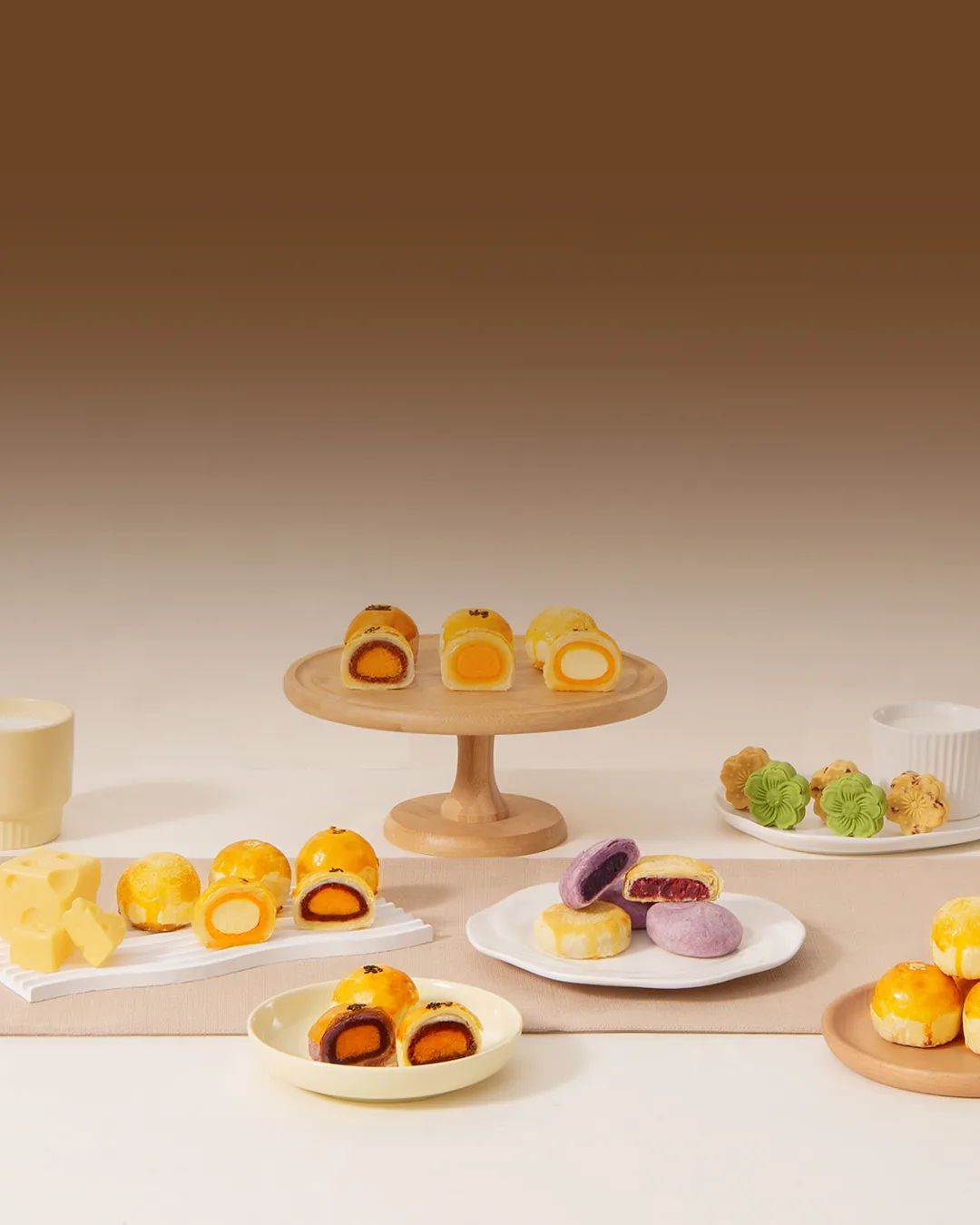
Have you ever wondered why Chinese desserts taste so different from Western desserts? Whether you’re enjoying a sweet treat back home in Singapore, Malaysia, or the Philippines, the contrast between these two dessert worlds is fascinating. Let’s take a deeper look into what makes Chinese desserts unique, with a special focus on the delightful XuanMa Egg Yolk Pastry, and how they compare to their Western counterparts.
The Sweet Divide: Chinese and Western Desserts
Desserts are an essential part of almost every culture, but the way they are made and enjoyed varies greatly across the world. From the rich history behind Chinese pastries to the light, airy textures of Western treats, both bring something special to the table.
- Cultural Differences: Tradition in Every Bite
Chinese desserts are steeped in centuries of tradition and are deeply tied to cultural celebrations. Think about mooncakes during the Mid-Autumn Festival or the sweet and savory XuanMa Egg Yolk Pastry—each dessert tells a story, often symbolizing unity, happiness, or good fortune. The craftsmanship behind Chinese pastries is not just about flavor; it’s about evoking feelings of warmth and togetherness.
In contrast, Western desserts have a shorter history, mainly tracing back to Europe. Their focus is often on indulgence and celebrating moments like birthdays or holidays. Though Western sweets like cakes and macarons are delicious, they tend to focus more on flavor than cultural significance.
For an interesting comparison of desserts from different cultures around the world, check out this insightful article on Traditional Desserts from Different Cultures.
- Craftsmanship: Layering Textures and Techniques
When it comes to making Chinese pastries, the techniques are as intricate as the final product. There’s a lot of attention given to achieving the perfect balance of soft, chewy, crispy, and flaky textures. For instance, making mooncakes involves multiple steps of folding, kneading, and layering to achieve that satisfying crispness on the outside and soft creaminess on the inside.
On the other hand, Western pastries are known for their precise, methodical techniques. Whether it’s puff pastry or a light sponge cake, the process is usually focused on creating a delicate, airy texture. Ingredients like butter, cream, and eggs are key players, and the process of baking is a fine art of controlling temperatures to ensure a light, fluffy finish.
- Flavor Profiles: Sweet vs. Sweet and Savory
The flavors in Chinese desserts tend to mix sweet with savory. For example, XuanMa Egg Yolk Pastry combines salty egg yolk with sweet pastry, giving a rich contrast that’s unique to Chinese baking. You’ll also find flavors like red bean, lotus seed, and mung bean in Chinese desserts, often accompanied by a sweet syrup or maltose for extra depth.
Western desserts, however, generally lean toward straightforward sweetness, with ingredients like sugar, vanilla, chocolate, and cream. From buttery croissants to decadent cakes, the focus is on creating rich, indulgent flavors with creamy textures and sugary sweetness.
For an in-depth comparison of desserts from around the world, check out this article on Medium.
Why You Should Try XuanMa Pastries
Now that you know a little more about the differences between Chinese and Western desserts, why not take a bite of something truly unique? XuanMa Egg Yolk Pastry offers a taste of tradition with its rich flavor and luxurious texture. Whether you’re craving something familiar from home or want to experience a new type of dessert, XuanMa has got you covered.
So next time you’re looking for the perfect dessert to satisfy your cravings, try a XuanMa Egg Yolk Pastry. A bite of this unique pastry will take you straight back to your cultural roots, offering you a taste of comfort, nostalgia, and quality in every bite.
Order now and treat yourself to the delightful flavors of tradition!