


Uncover the History of Egg Yolk Pastry?

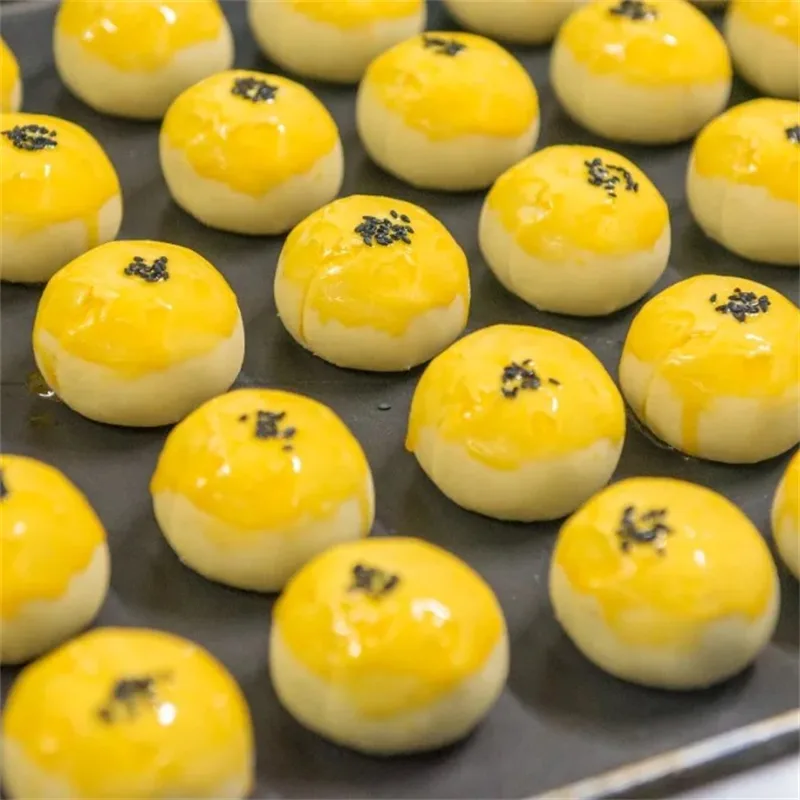
Egg yolk pastry, also known as Dan Huang Su, is a beloved treat that perfectly blends sweet and savory flavors. Whether you’re enjoying a cup of tea with friends or celebrating a special occasion, this flaky, golden pastry is always a hit. But how did Dan Huang Su come to be? Let’s dive into its fascinating history. For a deeper look into its benefits and historical context, you can check out this Egg Yolk Pastry Wikipedia page.”
The Origin of Egg Yolk Pastry: A Blend of Cultures and Time
Egg yolk pastry is said to be a special product of Taiwan, particularly famous in Fengyuan City of Taichung County. However, its roots trace back much further than Taiwan. The history of this delightful treat can be linked to flaky pastries that date back to the Tang and Song Dynasties. During the Song Dynasty, specialized workshops began to emerge, focusing on the creation of delicate flaky pastries, the ancestors of today’s dan huang su.
The Qing Dynasty played a significant role in shaping the history of this pastry. During this time, it became a popular practice for people to prepare pastries as offerings to the royal court. This royal connection helped transform these pastries into luxurious, courtly treats, spreading their popularity to the wider public.
What Makes Egg Yolk Pastry So Special?
Egg yolk pastry is unique for its perfect balance of flavors. The outer crust is made from flaky pastry, thin and crisp, which contrasts beautifully with the savory salted egg yolk filling. The filling often includes sweet ingredients like lotus paste or red bean paste, creating a wonderful mix of flavors that are both sweet and savory.
- Flaky Texture: The pastry is thin and crisp, offering a satisfying crunch with every bite.
- Savory & Sweet Harmony: The salted egg yolkfilling provides a savory richness that is perfectly complemented by the sweet fillings inside.
- Cultural Fusion: The combination of salted egg yolkand sweet ingredients reflects the rich traditions of Chinese cuisine.
The Long History of Flaky Pastries: From the Middle East to Taiwan
The roots of Dan Huang Su can be traced to an ancient pastry called SuBrei, which originated in Turkey. This pastry is an early example of flaky dough, where wheat flour was layered with fat, and then repeatedly folded to form hundreds of layers. When baked, the moisture inside the dough would vaporize under heat, creating a light, crispy texture.
The art of making flaky pastries spread through the Middle East and North Africa. By the 7th century, during the Abbasid Caliphate, these pastries began to take shape in the form of SuBrei. The Arab Empire then expanded into the South Asian subcontinent, bringing new ingredients such as butter, syrup, nuts, and spices, which enriched the pastry-making process.
The Evolution of Flaky Pastry in Europe and Beyond
The 13th century marked a new era when the Ottoman Empire carried the tradition of flaky pastries to Eastern Europe and Southern Europe. In Italy, croissants and puff pastries emerged, while France created its iconic Napoleon pastry. This tradition was carried across the world by European explorers during the Age of Exploration, and America developed its famous apple pie based on European pastry traditions.
When flaky pastries reached China, especially in Macau, Hong Kong, and Taiwan, they began to merge with Chinese ingredients, giving birth to various types of pastries, including egg tarts, pineapple cakes, and egg yolk pastries. The use of salted egg yolk in these pastries is particularly significant, as China has a long history of salted egg production.
Salted Egg Yolk: A Chinese Culinary Tradition
The practice of salting eggs in China dates back to the Southern and Northern Dynasties. In Southern China, salted eggs were commonly used to preserve duck eggs, and they eventually became a staple ingredient in many traditional pastries. During the Northern Song Dynasty, salted eggs were considered a delicacy, as evidenced by Qin Guan, a poet from Gaoyou in Jiangsu Province, who would gift salted eggs to his friends. This custom soon became a common practice, and salted eggs even made their way into banquet menus during the Qing Dynasty, where they were served as a side dish at official feasts.
In the chaos of 1949, many people from Southern China moved to Taiwan, bringing their culinary traditions with them. The fusion of Taiwanese flaky pastry with the traditional salted egg yolk created a new type of pastry, which became a symbol of Taiwanese culture—the egg yolk pastry.
Experience the Best Egg Yolk Pastry with XuanMa
If you’re craving the most authentic Dan Huang Su, look no further than XuanMa. Our egg yolk pastries are crafted with the finest ingredients and follow the traditional methods that have been perfected over centuries. Freshly baked and bursting with rich flavor, they are the perfect way to experience the taste of history.
Order now and bring home the best egg yolk pastries, made just for you.